
India’s Most Famous Temples

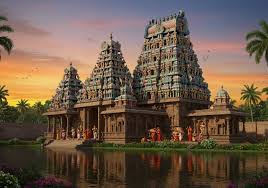
India is a land of deep spiritual heritage, where temples are not only places of worship but also masterpieces of architecture, history, and culture. From snow-clad mountains to tropical coasts, Indian temples reflect the country’s diversity and devotion. Below are some of the most famous temples in India that attract millions of devotees and tourists every year.
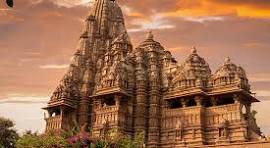
1. Tirupati Balaji (Sri Venkateswara Temple), Andhra Pradesh
The Tirupati Balaji Temple, located on the Tirumala Hills, is one of the richest and most visited temples in the world. Dedicated to Lord Venkateswara, an incarnation of Vishnu, this temple is renowned for its grand rituals and the faith of millions of devotees who offer donations and hair as a symbol of devotion.
2. Kashi Vishwanath Temple, Uttar Pradesh
Situated in Varanasi, one of the oldest living cities in the world, the Kashi Vishwanath Temple is dedicated to Lord Shiva. It is one of the twelve sacred Jyotirlingas and holds immense spiritual importance for Hindus, who believe that worship here leads to liberation (moksha).
3. Meenakshi Amman Temple, Tamil Nadu
Located in Madurai, the Meenakshi Amman Temple is famous for its stunning Dravidian architecture. The temple is dedicated to Goddess Meenakshi and Lord Sundareswarar (Shiva). Its towering gopurams (gateway towers) are covered with thousands of colorful sculptures.
4. Golden Temple (Harmandir Sahib), Punjab
The Golden Temple in Amritsar is the holiest shrine of Sikhism. Covered in gold and surrounded by the sacred Amrit Sarovar, the temple symbolizes equality, humility, and brotherhood. The community kitchen (langar) serves free meals to thousands of people daily, regardless of religion or status.
5. Jagannath Temple, Odisha
The Jagannath Temple in Puri is dedicated to Lord Jagannath, a form of Lord Vishnu. It is famous for the annual Rath Yatra (Chariot Festival), during which the deities are taken out in massive wooden chariots, drawing millions of pilgrims.
6. Somnath Temple, Gujarat
The Somnath Temple, located on the western coast of Gujarat, is one of the twelve Jyotirlingas of Lord Shiva. The temple has been rebuilt several times after invasions and stands today as a symbol of resilience, faith, and India’s rich cultural history.
7. Vaishno Devi Temple, Jammu & Kashmir
Nestled in the Trikuta Mountains, the Vaishno Devi Temple is dedicated to Goddess Vaishno Devi. Devotees undertake a challenging trek to reach the shrine, believing that the journey itself is an act of devotion and purification.
Conclusion
India’s temples are more than religious structures; they are living centers of tradition, art, and spirituality. Each temple tells a unique story of devotion, architecture, and cultural heritage. Visiting these temples offers not only spiritual peace but also a deeper understanding of India’s timeless civilization.